

max height
UNIT WEIGHT
UNIT/M2
VOLUME OF TOPSOIL
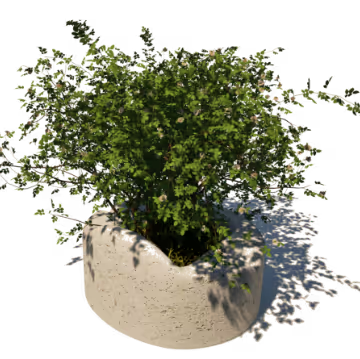
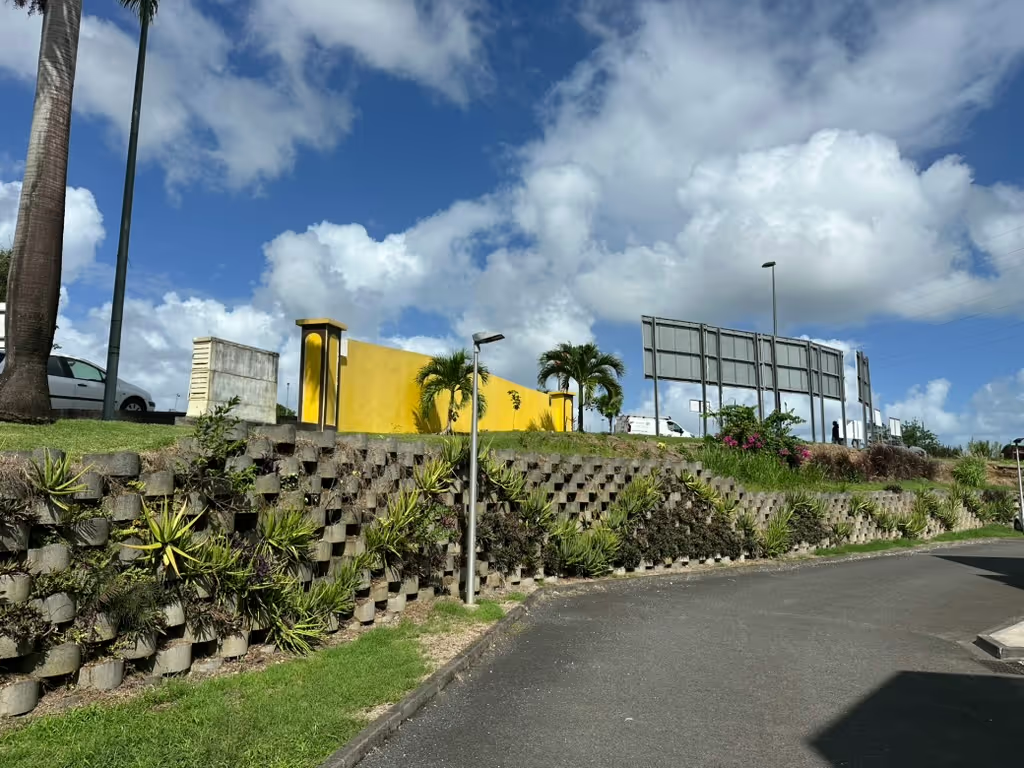
THEAtalus 50 is an intermediate product, designed to produce both landscape walls And retaining walls more substantial. It offers a great balance between ease of implementation, technical performance and landscape integration.
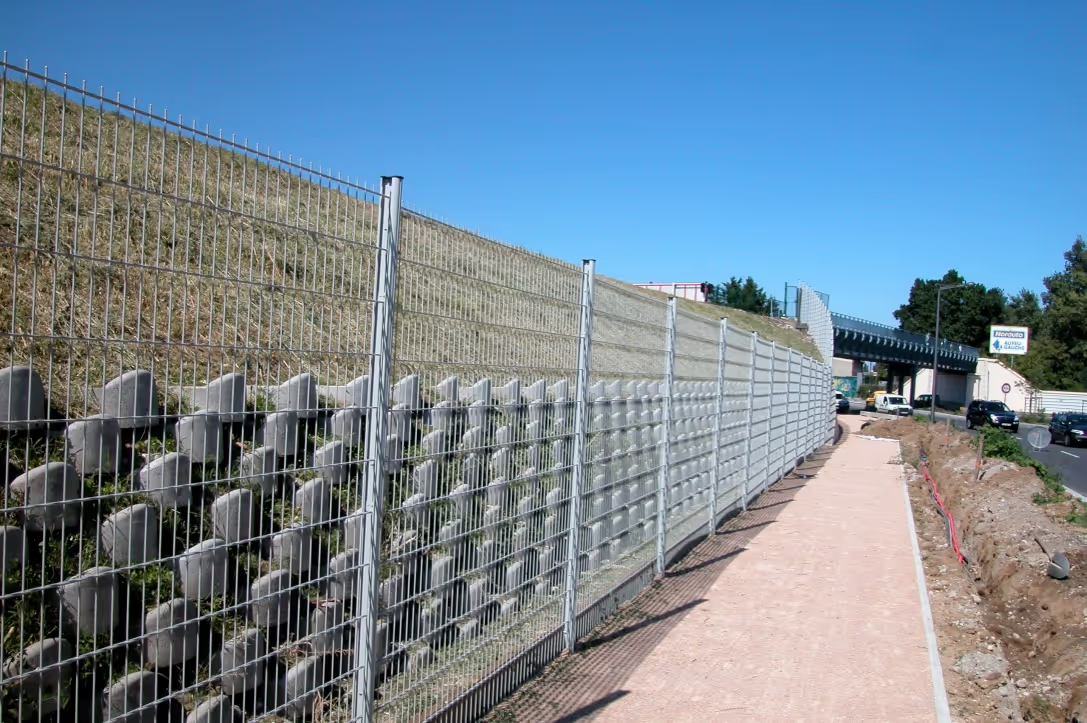
It is suitable for the construction of retaining walls of 0 to 3 meters in height, with a inclination from 65° to 75° without overload. When the project requires it, the implementation of Reinforced massif with geotextiles (type Atanappe) makes it possible to create walls up to 4 meters high, with an inclination of up to 85° and the consideration of surcharges.
Each element contains a large volume of vegetable soil (approximately 150 liters/m² of wall) and an integrated irrigation system, promoting rapid and sustainable vegetation. Placed on a simple Cleanliness concrete, the Atalus 50 is a solution economic, ecological and aesthetic, adapted to urban and landscape installations (car parks, terraces, PMR ramps, sidewalks, stairs, public spaces).
The ATALUS quantity quotation is free. The height of the wall, its inclination and, where appropriate, the presence of reinforcing geosynthetics (length, nature, position) must be defined in a Calculation note carried out by a design office, based on the geometric and geotechnical hypotheses transmitted by the customer. ATALUS provides this quantitative estimate as an aid to the estimation and feasibility of the solution. The implementation must respect the Calculation Note and the actual soil conditions of the site.
Responsibility: ATALUS declines all responsibility in the absence of a Calculation Note, in the event of non-compliance with it, or if the hypotheses used have not been verified.





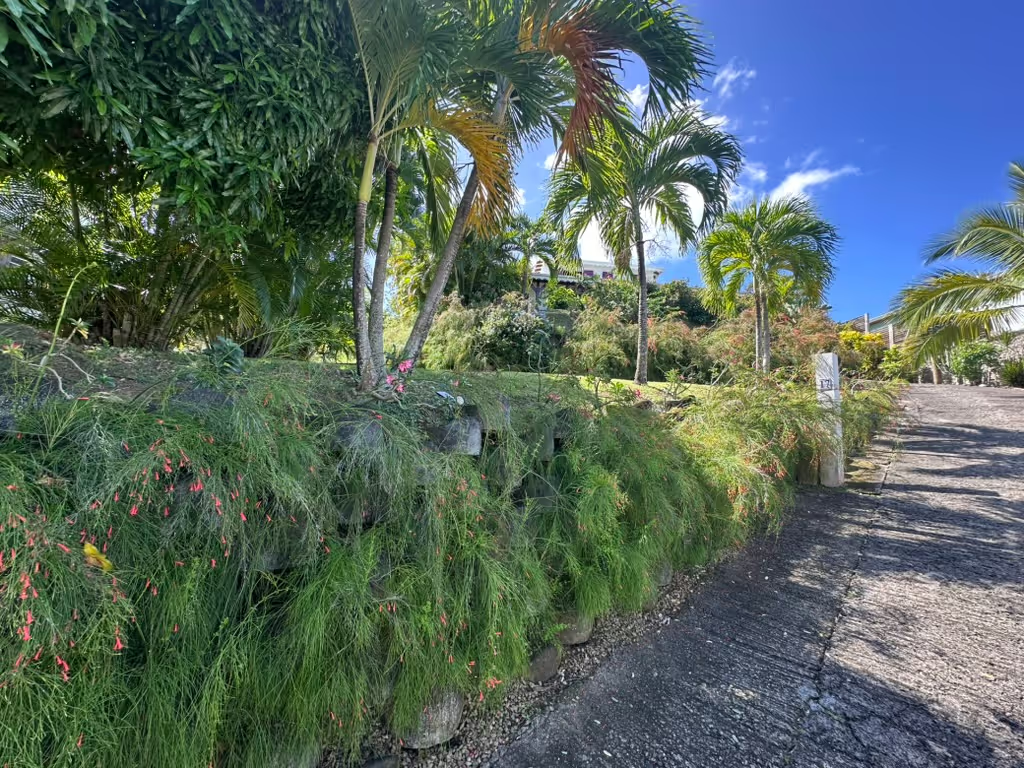


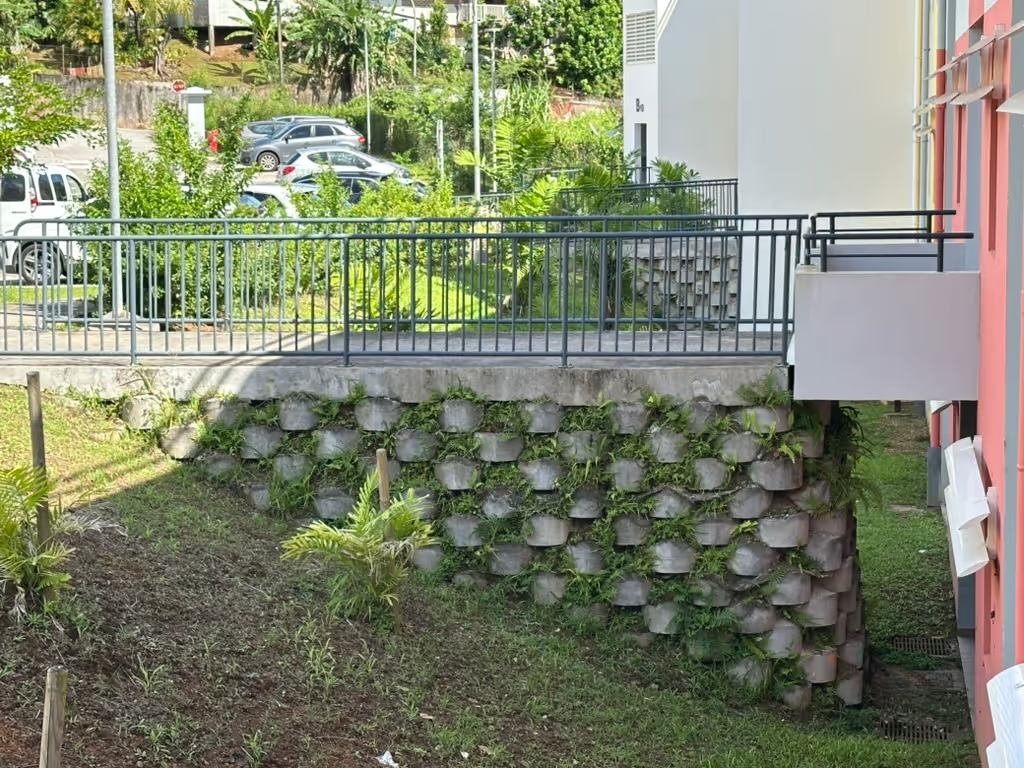


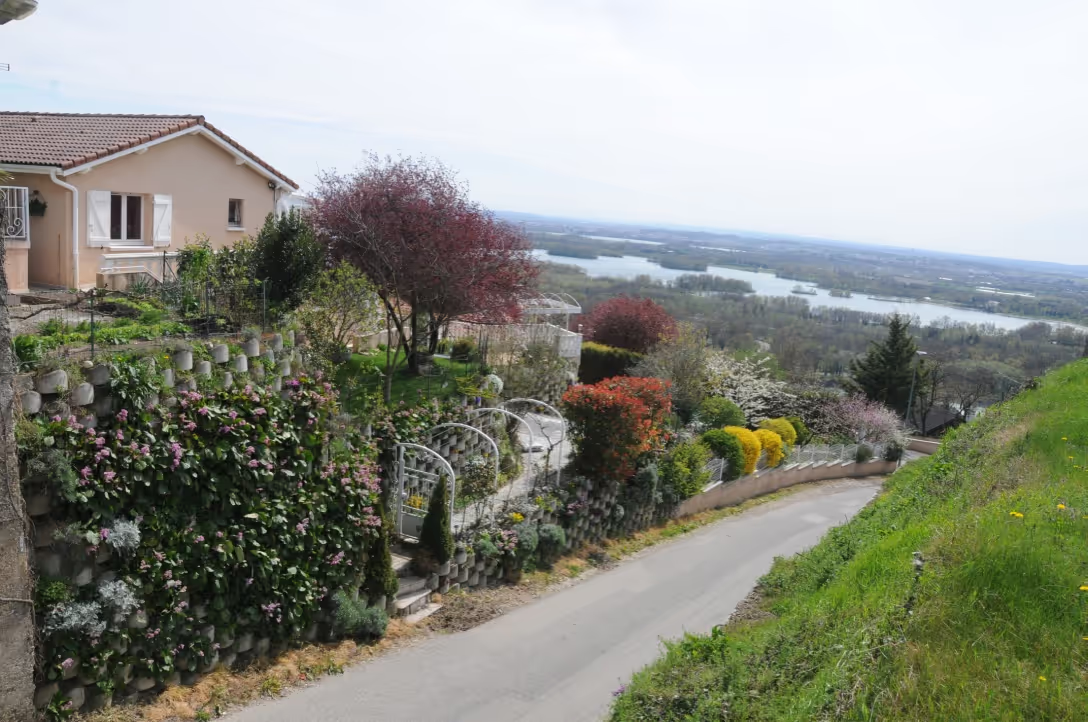


Discover our retaining wall projects


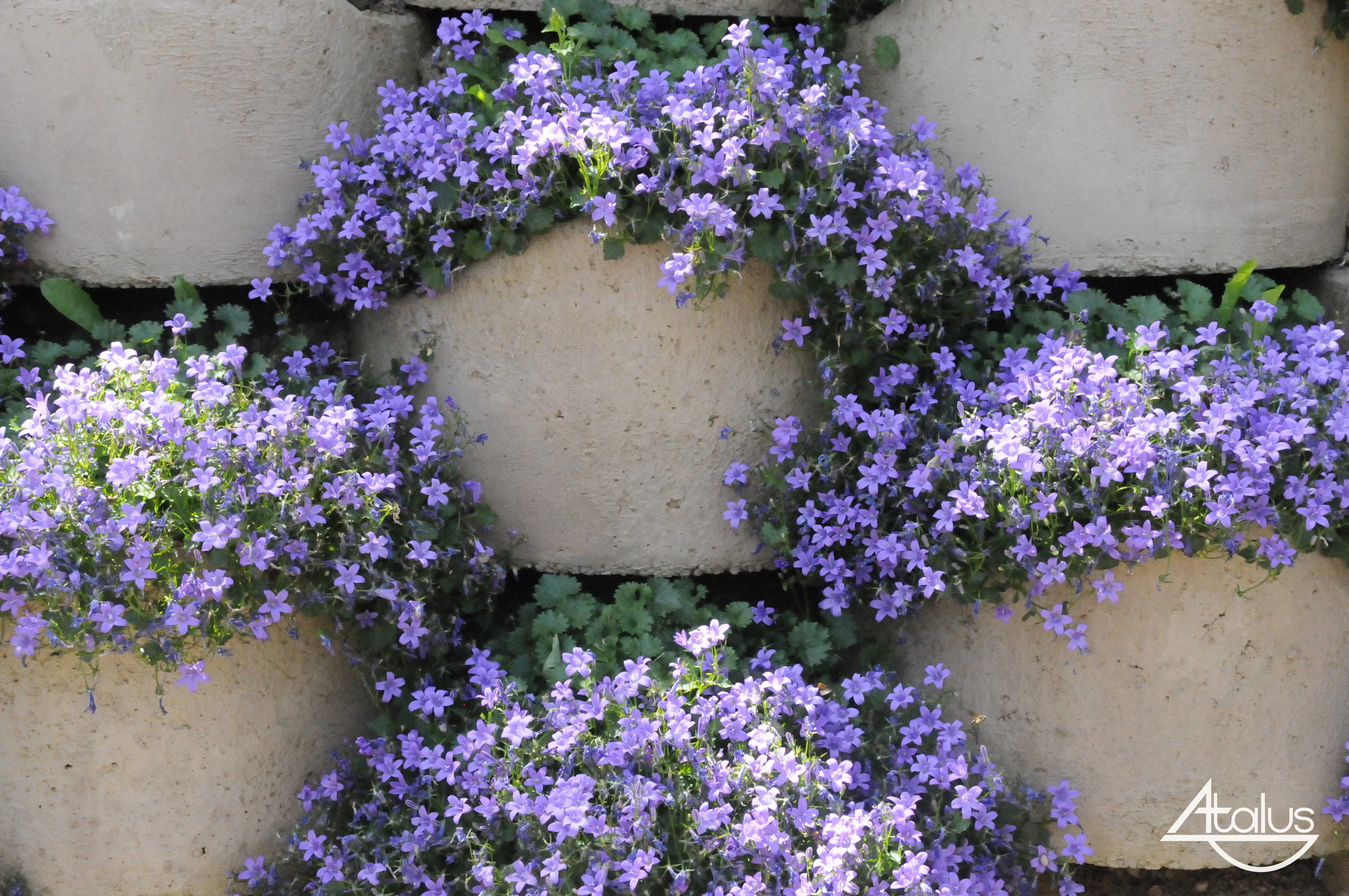

How does a construction site take place?
How are geotextile sheets positioned?
Are ATALUS walls compatible with all types of floors?
Which Atalus should I choose for my project?
Who installs ATALUS walls?
Ai-je besoin de nappes géotextiles pour mon mur de soutènement ?

Lorem Lipsum Pain Sits Amet, Conecteur adipiscing Elite. Suspendisse Varius Enim in Eros